
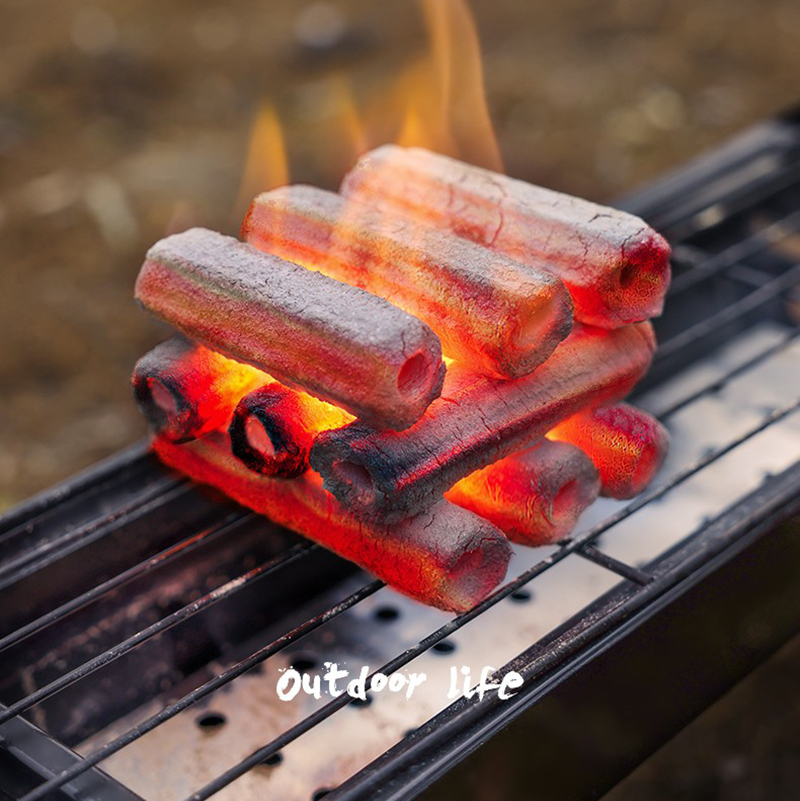
For BBQ restaurant owners, charcoal is more than just a heat source—it’s a key ingredient that shapes the flavor, texture, and overall quality of your dishes. With so many charcoal varieties available, two options often stand out: Binchotan (Japanese white charcoal) and regular charcoal (including briquettes and standard lump charcoal). While both serve the purpose of grilling, their production processes, performance, flavor profiles, and even cost differ dramatically. Understanding these differences is critical to choosing the right charcoal for your restaurant’s menu, brand, and customer expectations. In this deep dive, we’ll break down every key aspect of Binchotan vs. regular charcoal, so you can make an informed decision for your business.
First, let’s start with the basics: what exactly is Binchotan, and how does it differ from the regular charcoal you might already be using? Regular charcoal—whether lump or briquette—is typically made from hardwood, softwood, or sawdust, charred at relatively low temperatures (between 400°C and 700°C). Binchotan, on the other hand, is a premium Japanese charcoal with a centuries-old production method, crafted from dense hardwoods (most commonly ubame oak) and fired at extremely high temperatures (1000°C to 1300°C). This intense heating process transforms the charcoal’s structure, creating unique properties that set it apart from standard options. Let’s explore their differences in detail.
1. Production Process: Artisanal Craft vs. Mass Production
The biggest gap between Binchotan and regular charcoal lies in how they’re made—a difference that directly impacts their quality and performance.
Binchotan Production: Binchotan is made using a traditional, labor-intensive process known as “kiln firing.” It starts with selecting mature ubame oak (a dense, slow-growing hardwood native to Japan’s Wakayama Prefecture, though some producers now use other hardwoods like chestnut or maple). The wood is first air-dried for 6–12 months to remove moisture, then placed in a ceramic or stone kiln. The firing process has three key stages: first, the wood is burned at low temperatures to remove impurities; second, it’s heated to 1000°C+ to carbonize the wood fully; finally, it’s quenched rapidly with water or sand to lock in its properties. This high-heat firing also creates a thin, glossy white ash layer on the surface—hence the name “white charcoal.”
True Binchotan is often certified, ensuring it follows these traditional methods. Some cheaper “Binchotan-style” charcoals exist, but they’re fired at lower temperatures and lack the same density and performance.
Regular Charcoal Production: Regular charcoal is designed for mass production. Lump charcoal is made by burning hardwood logs in a low-oxygen environment (pyrolysis) at 400–700°C, which removes moisture and volatile compounds. Briquettes, the most common type of regular charcoal, are even more industrial: they’re made from compressed sawdust, coal dust, binders (like starch or clay), and sometimes additives (to help with lighting or extend burn time). The mixture is pressed into uniform shapes and dried or lightly charred to set.
The result? Regular charcoal is quick and cheap to produce, but it lacks the structural integrity and purity of Binchotan.
2. Performance: Heat Output, Burn Time, and Cleanliness
When it comes to grilling, performance is everything—and here, Binchotan outshines regular charcoal in nearly every category, though regular options have their own practical advantages.
| Performance Factor | Binchotan | Regular Charcoal (Lump/Briquettes) |
|---|---|---|
| Heat Output | Extremely high (up to 1300°C). Burns hot and consistent, perfect for searing meats (like wagyu or sushi-grade fish) to lock in juices. | Moderate to high (400–800°C). Lump charcoal burns hotter than briquettes but less evenly; briquettes offer steady heat but at lower temperatures. |
| Burn Time | Longer burn time (3–5 hours per pound, depending on size). Its dense structure means it burns slowly and efficiently, requiring fewer refills. | Shorter burn time (1–4 hours per pound). Briquettes last longer than lump charcoal but still less than Binchotan; lump burns quickly but intensely. |
| Smoke & Ash | Almost no smoke or odor. The high-heat firing removes most volatile compounds, so it burns cleanly. Produces very little ash (1–3% of its weight). | Produces noticeable smoke (especially lump charcoal, which imparts a smoky flavor). Briquettes may produce more ash (5–10%); lump produces less ash than briquettes but more than Binchotan. |
| Lighting Time | Slower to light (15–20 minutes) due to its density. Requires a charcoal chimney or blowtorch; matches alone won’t work. | Faster to light (5–10 minutes). Briquettes often have fire starters added; lump charcoal lights quickly with a chimney. |
3. Flavor Profile: Neutral Purity vs. Smoky Richness
For BBQ restaurants, flavor is non-negotiable—and Binchotan and regular charcoal create entirely different taste experiences, depending on your menu goals.
Binchotan Flavor: Binchotan’s biggest flavor advantage is its neutrality. Because it’s fired at such high temperatures, all impurities, resins, and volatile oils are burned off, leaving behind pure carbon. This means it imparts no additional flavor to your food—allowing the natural taste of the meat, seafood, or vegetables to shine through. It also doesn’t produce bitter or chemical aftertastes, even when grilling delicate ingredients (like fish, tofu, or vegetables).
This neutrality makes Binchotan ideal for restaurants that specialize in high-quality, delicate proteins (e.g., Japanese BBQ, sushi-grade seafood, or premium steaks) where you want the ingredient’s flavor to be the star.
Regular Charcoal Flavor: Regular charcoal is all about smoky flavor. Lump charcoal, made from hardwoods like hickory, mesquite, or oak, imparts a distinct smoky taste that’s iconic in American BBQ. Briquettes, while less smoky than lump, still add a subtle smoky note—though some cheap briquettes may have a chemical aftertaste from binders or additives.
This smoky flavor is perfect for restaurants that serve classic BBQ dishes (brisket, ribs, burgers) where the smoky taste is part of the brand. However, it can overpower delicate ingredients, making it less versatile than Binchotan.
4. Cost: Premium Investment vs. Budget-Friendly
One of the most practical differences between Binchotan and regular charcoal is cost—and this is where regular charcoal has a clear advantage for budget-conscious restaurants.
Binchotan Cost: Binchotan is a premium product, and its price reflects that. True Japanese Binchotan can cost $3–$6 per pound (or $20–$40 per 10-pound bag). Even Binchotan-style charcoal (fired at lower temperatures) costs $2–$4 per pound—significantly more than regular charcoal. The higher cost comes from the labor-intensive production process, the use of premium hardwoods, and often import fees (if sourced from Japan).
Regular Charcoal Cost: Regular charcoal is much more affordable. Lump charcoal typically costs $1–$2 per pound, while briquettes cost $0.50–$1 per pound. Buying in bulk (e.g., 50-pound bags or pallets) can lower the cost even further, making it ideal for restaurants with high charcoal usage or tight budgets.
That said, Binchotan’s longer burn time means it may be more cost-effective in the long run for restaurants that use charcoal sparingly or prioritize quality over upfront cost. For example, a 10-pound bag of Binchotan (costing $30) may last as long as two 10-pound bags of briquettes (costing $20 total)—but the upfront investment is higher.
5. Uses: Which Is Right for Your BBQ Restaurant?
The choice between Binchotan and regular charcoal ultimately comes down to your restaurant’s menu, brand, and customer base. Here’s a quick guide to help you decide:
Choose Binchotan If:
- You specialize in high-end, delicate dishes (Japanese BBQ, seafood, premium steaks, or vegetarian/vegan options) where neutral flavor is key.
- You want to offer a “premium” grilling experience (Binchotan’s reputation as a luxury charcoal can be a selling point for your brand).
- You prioritize clean burning (no smoke, minimal ash) to keep your kitchen clean and avoid overwhelming your dining area with smoke odor.
- You don’t mind a higher upfront cost for better performance and versatility.
Choose Regular Charcoal If:
- You serve classic BBQ dishes (brisket, ribs, burgers, sausages) where smoky flavor is essential to your menu.
- You have a high charcoal usage and need to keep costs low (e.g., a casual BBQ joint or fast-casual restaurant).
- You need charcoal that lights quickly and is easy to use (ideal for busy kitchens with tight turnaround times).
- Your customers prioritize affordability over premium quality.
Final Thoughts: Binchotan and regular charcoal are two distinct options, each with its own strengths and weaknesses. Binchotan offers premium performance, clean burning, and neutral flavor—perfect for high-end, delicate dishes—while regular charcoal provides smoky flavor, affordability, and convenience for classic BBQ. There’s no “better” option—only the one that aligns with your restaurant’s goals. If you’re unsure, try testing both: use Binchotan for your premium menu items and regular charcoal for your classic BBQ dishes. This way, you can offer the best of both worlds and cater to a wider range of customer preferences. Whatever you choose, investing in quality charcoal will always pay off in better-tasting food and happier customers.