
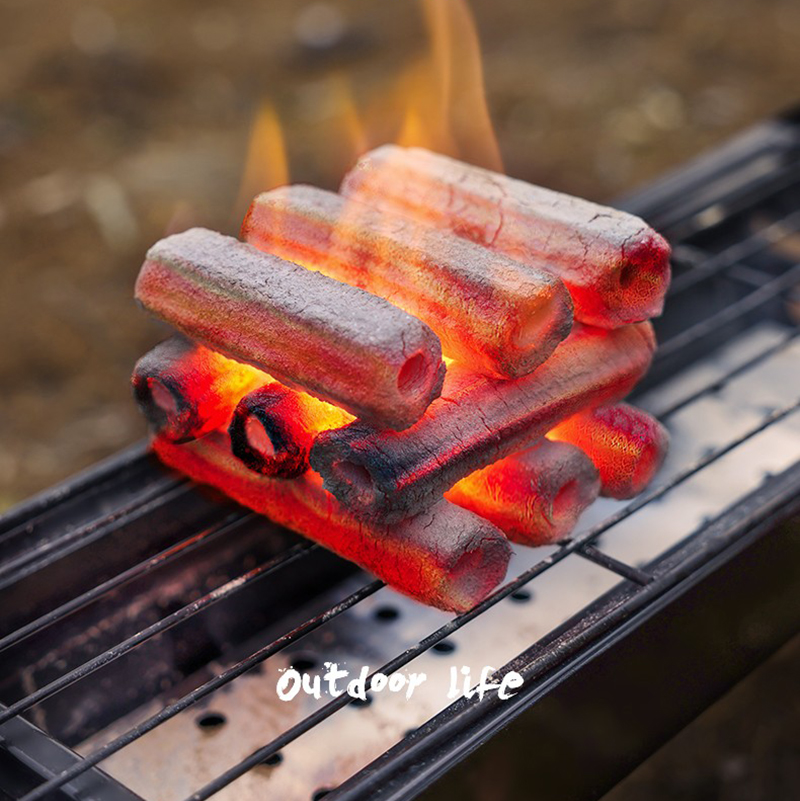
For BBQ restaurant owners, the right charcoal isn’t just about great flavor—it’s also a key factor in controlling costs and boosting profitability. With so many charcoal types on the market, from lump charcoal to briquettes and everything in between, choosing the most economical option can feel overwhelming. The good news? Economical doesn’t mean sacrificing quality. By focusing on burn time, cost per use, heat output, and your restaurant’s specific needs, you can find a charcoal that saves you money while keeping your customers coming back for more. Let’s break down the essential steps and considerations to make the best choice for your business.
First, let’s clarify what “economical” really means for a BBQ restaurant. It’s not just the upfront price per bag—though that matters. True economy comes from value per use: how long the charcoal burns, how much heat it produces, how little waste it leaves, and whether it requires frequent refills. A slightly more expensive bag that burns twice as long and requires less charcoal per cookout will often be cheaper in the long run than a budget option that burns out quickly and needs constant topping up. For example, a $20 bag of high-quality charcoal that lasts for 8 hours of cooking is better value than a $10 bag that only lasts 2 hours—you’d need 4 of the cheap bags to match the burn time, costing you $40 total.
Next, let’s compare the most common charcoal types used in BBQ restaurants, their pros and cons, and their economic value:
1. Charcoal Briquettes: The Budget-Friendly Workhorse
Charcoal briquettes are the most popular choice for many BBQ restaurants, and for good reason—they’re affordable upfront and designed for consistency. Made from compressed sawdust, coal dust, and binders, briquettes burn evenly, produce steady heat, and are widely available in bulk. Their biggest advantage for cost-conscious owners is their low price per pound and long burn time (typically 4–6 hours per pound, depending on the brand).
When buying briquettes, look for low-ash options—less ash means less waste and fewer trips to clean out your grill, saving you time and labor costs. Avoid cheap briquettes with high levels of binders or additives, as they can produce more smoke, impart an off-flavor to food, and burn less efficiently. Opt for trusted brands that offer consistent quality; while they may cost a few dollars more per bag, they’ll reduce waste and ensure your cooking process runs smoothly.
2. Lump Charcoal: Flavorful but Need Smart Sourcing
Lump charcoal is made from natural hardwood (like oak, hickory, or mesquite) that’s been charred without additives. It’s beloved for its smoky, authentic flavor—perfect for restaurants that specialize in artisanal BBQ. However, lump charcoal is often more expensive upfront than briquettes, which makes many owners assume it’s not economical. But with the right approach, it can still be a cost-effective choice.
The key to making lump charcoal economical is buying in bulk and choosing the right hardwood. Bulk purchases (e.g., 50-pound bags or pallets) can significantly lower the price per pound. Additionally, lump charcoal burns hotter and faster than briquettes (typically 2–4 hours per pound), but it produces more intense heat—meaning you may need less charcoal per cook if you’re grilling at high temperatures. For restaurants that focus on quick-cooking items (like burgers or skewers) or high-heat searing, lump charcoal can be efficient; for slow-smoking (like brisket or ribs), it may require more refills, making it less economical.
3. Coconut Shell Charcoal: A Sustainable, Cost-Effective Alternative
Coconut shell charcoal is a lesser-known but increasingly popular option for eco-conscious and cost-savvy BBQ restaurants. Made from discarded coconut shells, it’s a sustainable choice that burns cleanly (low smoke, low ash) and has an impressive burn time (up to 7 hours per pound). While it’s slightly more expensive than briquettes upfront, its long burn time and low waste make it a great value for restaurants that cook for extended hours.
Coconut shell charcoal also produces consistent heat and imparts a mild, neutral flavor—ideal for restaurants that want the focus to be on the food’s natural taste rather than a strong smoky flavor. It’s also lightweight, which reduces shipping costs if you’re buying in bulk. For restaurants that prioritize sustainability (a big selling point for many modern customers), coconut shell charcoal can be a win-win: it saves you money long-term and appeals to eco-friendly diners.
Key Tips to Maximize Economy When Choosing Charcoal
- Buy in Bulk: Purchasing charcoal in large quantities (pallets, 50-pound bags) almost always lowers the price per pound. Many suppliers offer discounts for bulk orders, and it reduces the frequency of deliveries (saving you time and delivery fees).
- Test Before Committing: Don’t buy a large shipment of charcoal without testing a small bag first. Cook your most popular menu items with it to check burn time, heat output, flavor, and waste. This ensures you’re not stuck with a product that’s either too expensive to use or doesn’t meet your cooking needs.
- Match Charcoal to Your Cooking Style: If you do a lot of slow smoking, choose briquettes or coconut shell charcoal (long burn time). If you focus on high-heat grilling, lump charcoal may be more efficient. Using the right charcoal for your menu reduces waste and refills.
- Store Charcoal Properly: Poor storage (moisture, heat) can ruin charcoal, leading to waste. Store it in a dry, airtight container or shed to keep it dry—wet charcoal burns inefficiently and may not light at all. Proper storage ensures you get the full burn time from every bag.
- Negotiate with Suppliers: If you’re a regular customer, don’t be afraid to negotiate with your charcoal supplier. Many are willing to offer better prices or free delivery for long-term contracts. You can also ask about seasonal discounts or bulk pricing tiers.
Final Thoughts: Choosing the most economical charcoal for your BBQ restaurant is all about balancing upfront cost, burn time, waste, and your specific cooking needs. There’s no one-size-fits-all solution—what works for a small burger joint may not work for a fine-dining BBQ restaurant. By focusing on value per use rather than just the price tag, testing different options, and following these tips, you can find a charcoal that saves you money without compromising on flavor or quality. Remember, the right charcoal isn’t just an expense—it’s an investment in your restaurant’s success.